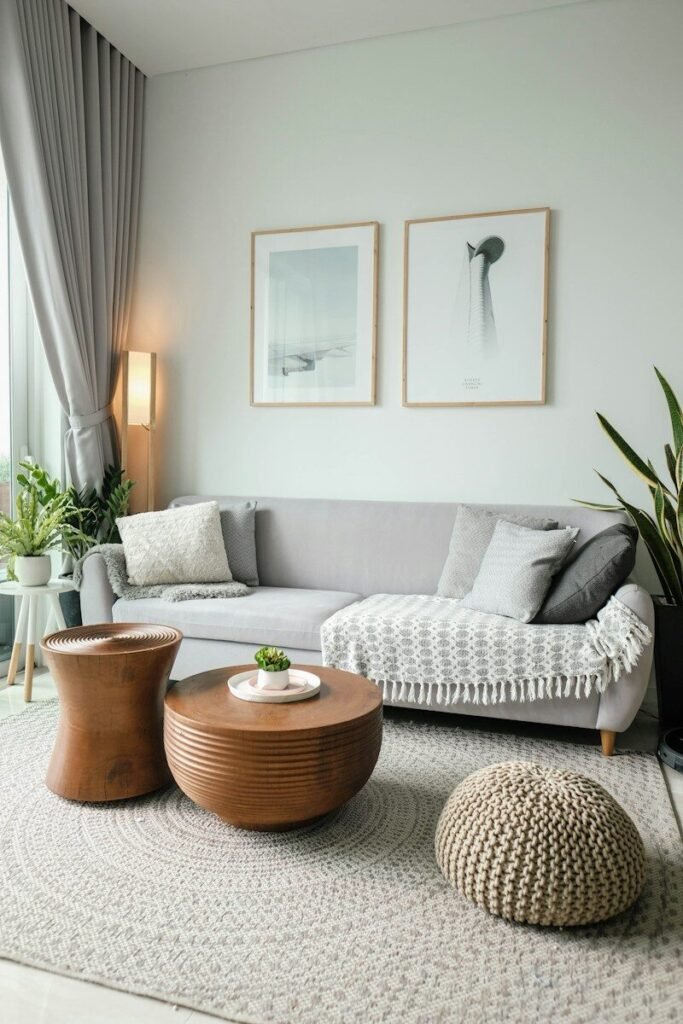

Walk into a welcoming living room and you can tell at once. The light is soft, there is somewhere comfortable to sit, and nothing feels stiff or perfect — yet everything feels right.
That feeling does not come from spending a lot of money. It comes from a few simple choices: comfortable furniture, warm and flexible lighting, a clear layout, warm texture, and personal touches that mean something.
Table of Contents
- 1. Comfortable Seating for Everyone
- 2. How to Make Your Living Room Welcoming With Light
- A Clear Layout You Can Walk Through
- Texture and Colour That Feel Warm
- Personal Touches That Make It Yours
- Mistakes to Avoid
- Frequently Asked Questions
- Start With One Change
1. Comfortable Seating for Everyone
What it is
Seating that fits the people who use the room — a sofa, chairs, and cushions that invite people to sit down and stay a while.
Why it helps
A room needs enough seats for the people who actually use it. One of the most common problems in a living room is having fewer seats than people — or seats that look good but are hard to sit on for more than a few minutes.
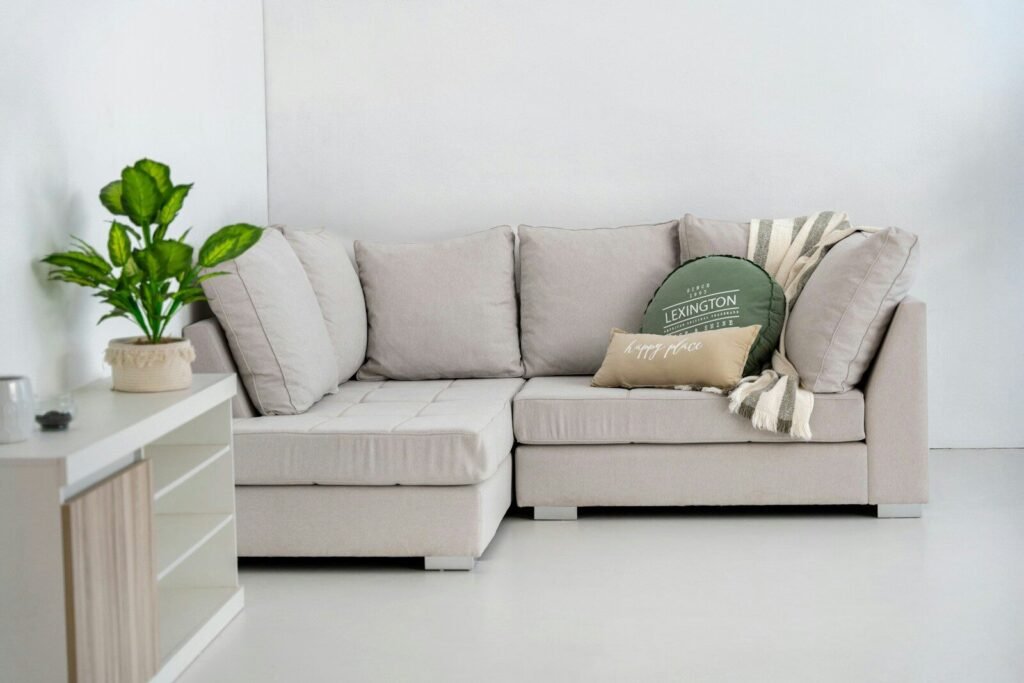
Comfortable seating starts with the sofa. Work out how many people the room needs to seat on a regular evening: a two-person sofa works for a small room, while a three-person sofa suits a family sitting together. Aim for a seat height of about 17–18 inches from the floor, so you can sit down and stand up easily.
It is fine to start with a good sofa and add a chair later, especially if you are buying slowly. A chair should be comfortable to sit in, not just a decoration.
Cost and effort: low to moderate cost, depending on what you already have. Moving furniture costs nothing. Soft furnishings help a lot and cost less than new furniture.
2. How to Make Your Living Room Welcoming With Light
What it is
Warm, flexible light that works for evenings — table lamps, floor lamps, and a dimmer switch where possible.
Why it helps
Most living rooms have one bright ceiling light that is too strong to sit under in the evening. It makes a room feel like a waiting room. A room feels welcoming when light comes from several places at once.
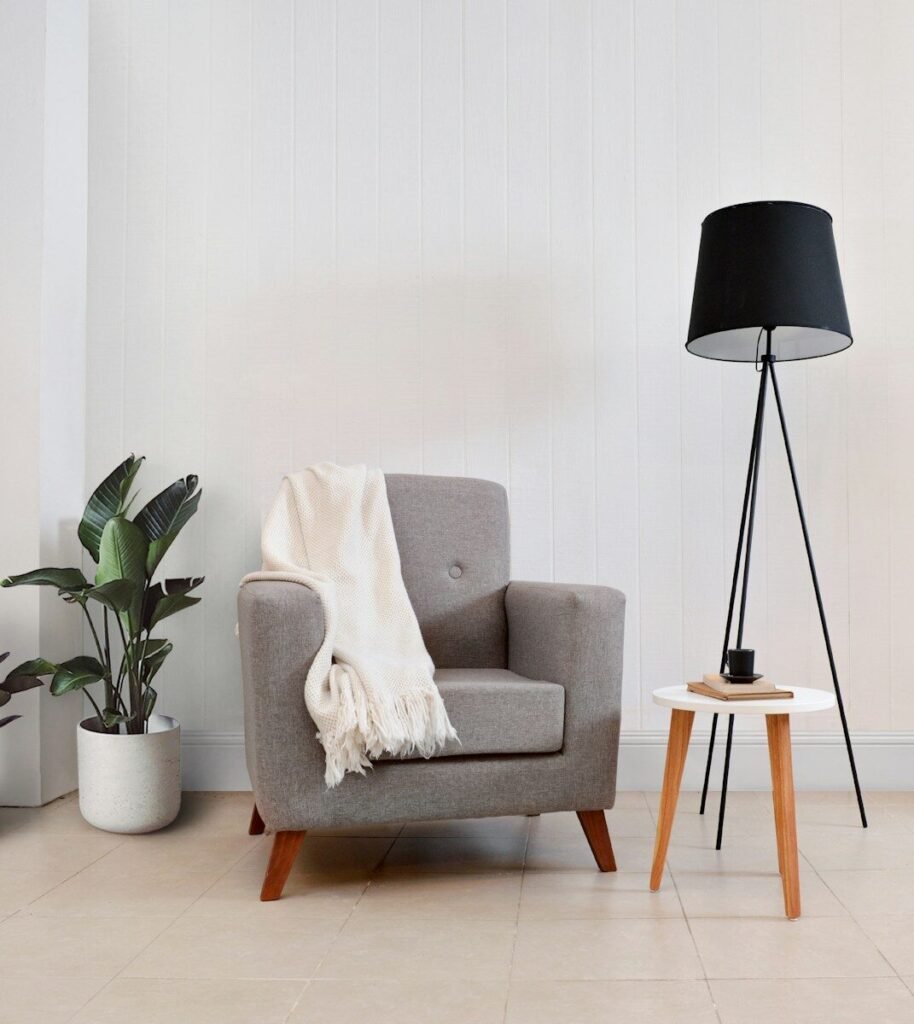
Room light should be soft, steady, and easy to control. A plain ceiling light with a dimmer switch helps — but so does one lamp on the table beside the sofa, or one floor lamp by the chair. Use flat, warm white light that looks calm and inviting.
Candles help for evenings too, but only if they are kept where they cannot cause a fire. Put them in a stable holder, away from children and pets. If small children or pets are in your home, use battery candles.
ENERGY STAR’s light-bulb purchasing checklist explains how to choose the right bulb for each room, including brightness and colour. Then match the bulb’s brightness to the size of the room, so the corners are not left dark.
Cost and effort: low cost for a table lamp and a warm bulb. A dimmer switch needs a professional to fit.
A Clear Layout You Can Walk Through
What it is
A layout that gives you clear paths through the room. When the seating forms a circle or a gentle U, people can talk face to face and the room feels open.
Why it helps
Seating works best when people can see each other and talk without raising their voices. A sofa and two chairs, placed in a gentle arc, make it easy for two or three people to talk in comfort.
If the room is narrow, try placing the sofa between the windows and the long wall. If the room is square, try pushing the chairs out to the sides and let the room open up.
The room feels calm and settled when everything in it has a place. You should be able to walk from the front door to the sofa without going around a table — and from a chair to a bookshelf, a plant, or a cup of tea in a few steps.
Cost and effort: no cost, just time to move furniture and try it out.
Texture and Colour That Feel Warm
What it is
Warm colours and soft, touchable textures — cushions, throws, and a rug in warm tones that suit the season and the room.
Why it helps
The room feels finished when it has colour and texture. A soft rug, a velvet cushion, or a plush throw all add depth and warmth. A throw in a warm tone adds warmth; a textured cushion adds comfort.
Try warm colours on the walls, on cushions, or on a rug. Warm, earthy tones work well — rust, ochre, deep brown, and soft green. Choose one or two colours and repeat them in small amounts around the room — a rust cushion with a warm rug, for example.
If you are unsure about colour, test it first. Paint a small patch on the wall and live with it for a week. See Sherwin-Williams’ color collections for a clear starting point, and for two or three different finishes. Live with the patch for a few days and look at it in daylight and at night before you commit.
Cost and effort: low to moderate cost. A rug and two cushions can change the room for far less than a new sofa.
Personal Touches That Make It Yours
What it is
Thoughtful touches that show people this is your home — photographs, art, books, plants, and items you brought back from trips or made yourself.
Why it helps
With all the right furniture in the room, a room can still feel like a showroom if it has no personal touches. Little things make the room look like a home, not just a place to sit.
Start with one piece — one favourite photograph, one handmade item, or one memento from a trip. A book you have read, a plant you look after, or a poster you picked yourself all make the room yours. Put one piece where you can see it from your favourite seat.
That is how to make your living room welcoming in a way no shop display can copy. Guests notice these small touches, and they make a visit feel relaxed and personal.
Cost and effort: low to free. Most personal touches are things you already own.
Mistakes to Avoid
- Buying before you live in the room. Do not buy everything at once. Live in the room for a month and see what you need, then choose furniture that fits how you use the room.
- Filling the room. A welcoming room has enough of the right things, not a little of everything. Leave breathing room around the furniture.
- Using one harsh ceiling light. Warm, soft light is the best option for evenings. A dimmer switch is worth considering, if your wiring allows it.
- Blocking the walking paths. Make sure people can walk from the door to the sofa and back without having to squeeze or sidestep.
- Hiding the personal touches. A plain room can feel too neat to be lived in. Put one photograph, one book, or one handmade piece where people can see it.
Frequently Asked Questions
How to make your living room welcoming on a small budget?
Move furniture first — it costs nothing. Then add two warm lamps, a cushion or two, and one or two plants. Keep the rest simple until you know what the room needs.
How do I make a small living room welcoming?
Choose compact seating, place it so people can talk face to face, and keep one clear walkway. A pale rug and curtains that reach the floor make the room feel taller.
What colours make a living room feel welcoming?
Warm colours feel welcoming — cream, warm white, rust, and soft greens. A plain room can feel too neat, so add a soft rug or a warm cushion to make it feel calmer.
How can I make my living room welcoming without redecorating?
Change the lighting first — a warm table lamp or two. Then add a throw, two cushions, and one personal touch. A room can feel different in an afternoon.
Start With One Change
Learning how to make your living room welcoming is really about paying attention to how a room feels. It is easy to get carried away adding furniture or buying new pieces, but simple ideas often work best. Think about how you use the room during a normal day.
Once it feels welcoming, it becomes the room you spend time in, not the room you walk past. If you are working through your home room by room, the same simple approach works everywhere — learn how to make your home beautiful with the same kind of small, practical steps. The same thinking works in smaller rooms too — our blog post on bathroom upgrades that add value shows how a few simple changes can freshen a whole room. One change at a time is how a room becomes the one you reach for.
Start with one change today. Move the sofa, switch on a lamp, or put out your favourite photograph. Sit down for a while and see how the room feels. It will tell you what to do next.