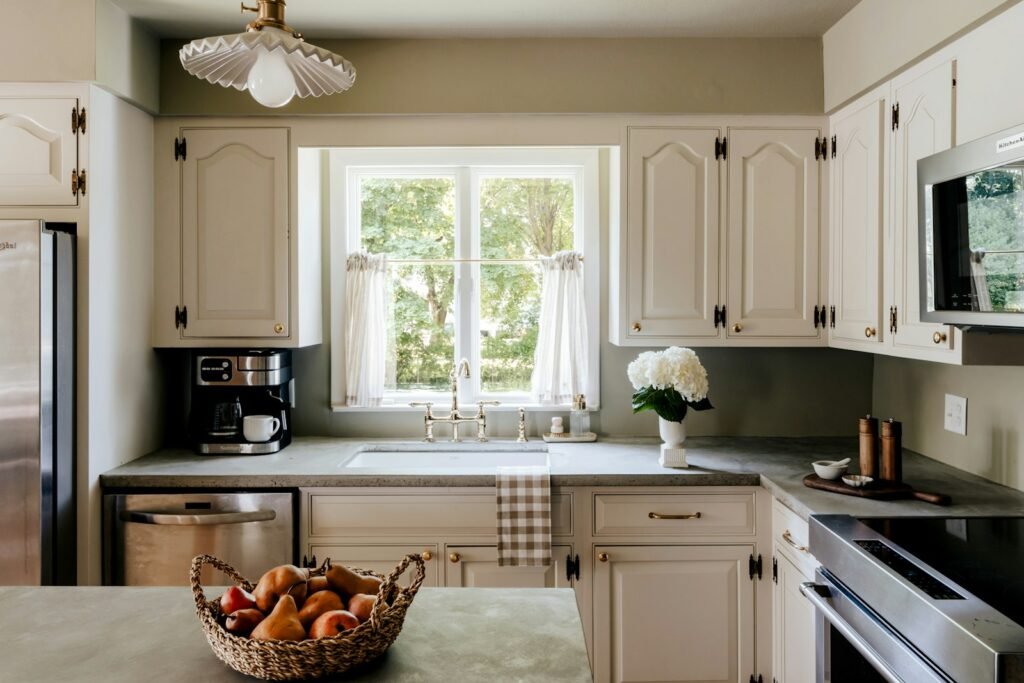
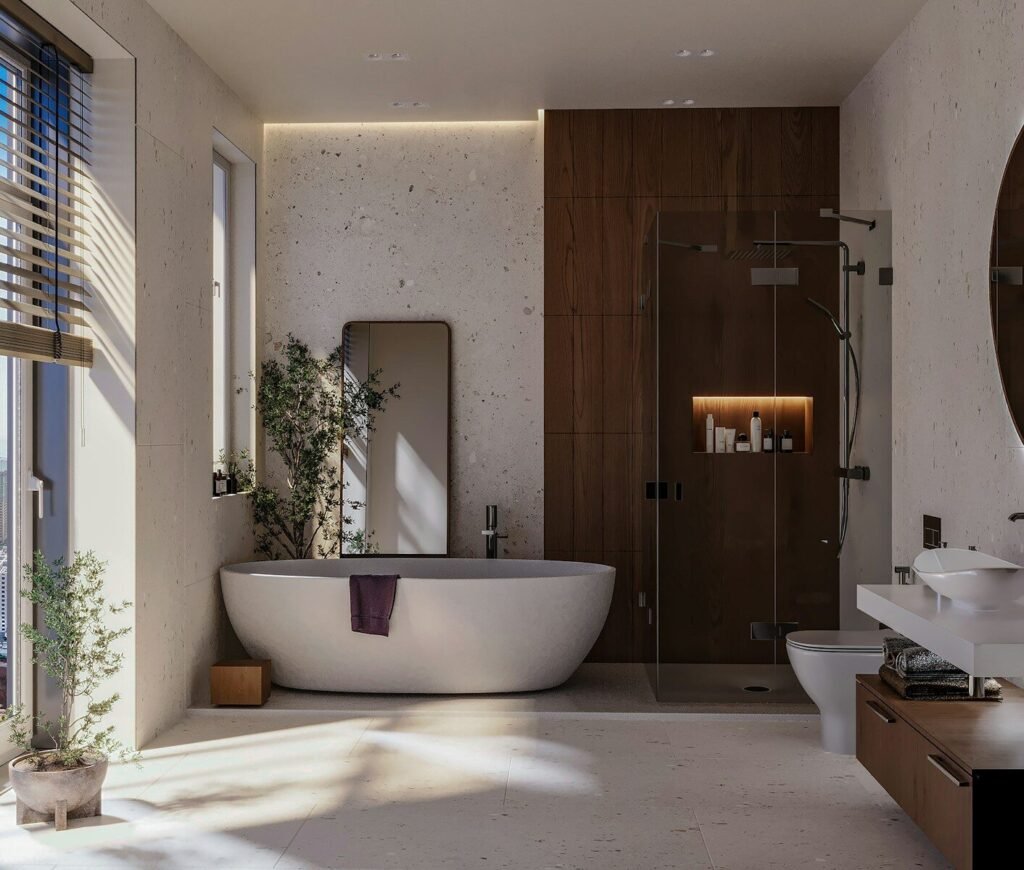
A bathroom is one of the smallest rooms in a home and one of the most used. You start and end your day there, so when it looks tired, the whole home feels a little tired. When it feels fresh, the whole home feels newer.
The good news is that you do not need a full renovation to get that feeling. Most bathrooms need better light, cleaner surfaces, working fixtures, and a few smart replacements. The five upgrades in this blog post are that kind of change: simple, practical, and easy to start.
Each upgrade below explains what it is, why it helps, and how to do it simply. Start with one, then do the next.
Table of Contents
- 1. Replace Worn Fixtures and Hardware
- 2. Refresh Grout, Caulk, and Sealant
- 3. Improve the Lighting and the Mirror
- 4. Add Storage That Keeps Counters Clear
- 5. Upgrade to Water-Saving Fixtures
- Mistakes to Avoid
- Frequently Asked Questions
- A Simple Way to Start
1. Replace Worn Fixtures and Hardware
What it is
New taps, a new shower head, new towel bars, and new cabinet handles. Nothing structural — just the parts you touch every day.
Why it helps
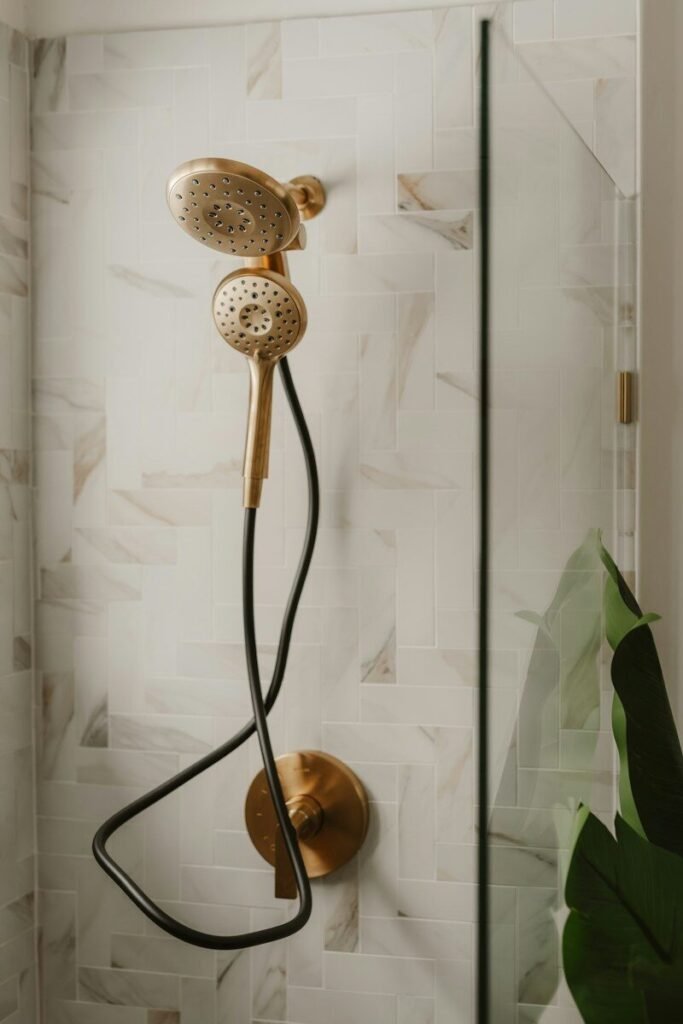
Fixtures age in plain sight. A tap with water marks that will not come off, a shower head that sprays unevenly, or a towel bar that wobbles — each one makes a bathroom feel older than it is. New hardware in one matching finish, brushed nickel, matte black, or chrome, pulls the whole room together in a single afternoon. A clean, matching set tells anyone walking in that the home has been cared for.
How to do it simply
Replace the shower head first, then the basin taps, then small hardware like towel bars and cabinet pulls. Keeping one finish across the room is what makes the change look planned instead of patched.
Before you buy, check how your current fixtures are fitted, and take the old part with you if you can. Matching the fitting on the spot saves a second trip to the shop.
Cost and effort: low to moderate, depending on the finish you choose. Most of these swaps are a weekend job.
Safety note: if a fitting will not budge, if you see a leak behind a wall, or if any work involves wiring, stop and hire a licensed professional. Forcing a pipe fitting can turn a small job into a large repair.
2. Refresh Grout, Caulk, and Sealant
What it is
Cleaning or replacing the grout between tiles, and replacing the old caulk and sealant around the bath, shower, and basin.
Why it helps
Grout and caulk are what keep water out of walls and floors. Once they crack, stain, or peel, water gets in — and that is how mould and smells start. Fresh grout and a clean line of sealant make old tiles look new again and keep the room healthy.
How to do it simply
Fresh grout and clean sealant make old tiles look new — the same simple deep-clean idea is covered in How to Make Your Home Beautiful.
Cost and effort: low cost. It takes time and patience more than money.
3. Improve the Lighting and the Mirror
What it is
Brighter, warmer light around the mirror, and a mirror that fits the space.
Why it helps
Bathrooms are often the darkest room in a home. A single dim ceiling light makes it hard to shave, apply makeup, or even tell whether the room is clean. Good light changes all of that, and it makes a small bathroom feel bigger.
A larger mirror helps too. It throws light across the room and opens up the wall. One almost as wide as the basin, with clean edges, looks calm and intentional.
How to do it simply
Brighter, warm-white light around the mirror makes a small bathroom feel bigger — the same idea is covered in How to Make Your Home Beautiful.
Cost and effort: low cost for bulbs and a new mirror; moderate cost if you add new light fittings. Keep it simple: light first, mirror second.
Safety note: any work that involves new wiring or a light fitting near water should be done by a licensed electrician. Never work on wiring with the power on.
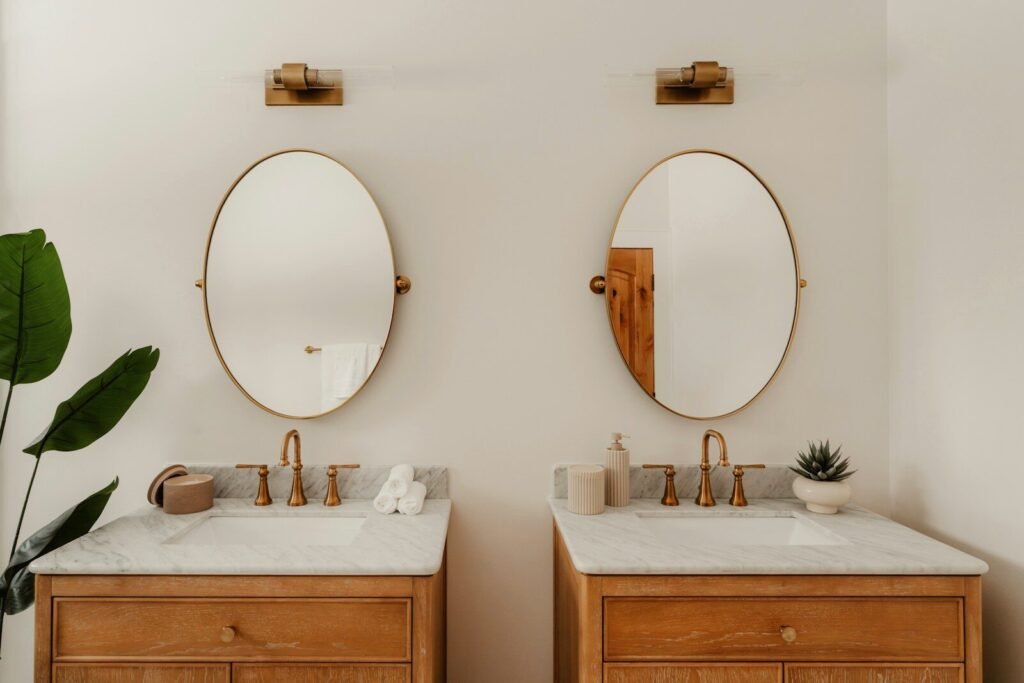
4. Add Storage That Keeps Counters Clear
What it is
Storage that uses the walls and the space you already have, so the counter stays clear.
Why it helps
Too many bottles on the counter make even a clean bathroom look messy. When every item has a place, the room stays tidy without much effort, and cleaning takes half the time. Towels stay dry, medicines stay out of children’s reach, and the counter stays clear for the things you actually use in the morning.
How to do it simply
Use wall storage and keep the counter clear, with only the daily essentials out — the same idea is covered in How to Make Your Home Beautiful.
Cost and effort: low to moderate cost. Shelves and hooks are a simple weekend job. A new vanity cabinet costs more and may need a professional to fit.
5. Upgrade to Water-Saving Fixtures
What it is
A water-saving shower head, a low-flow tap aerator, or a toilet that uses less water per flush — chosen to fit the bathroom you already have.
Why it helps
Bathrooms use more water than any other room in the home. A shower head or toilet that uses less water cuts that use without changing how the bathroom feels — modern water-saving shower heads are designed to keep good pressure, so the shower still feels strong. In short, they are upgrades that add value quietly, every single day.
How to do it simply
Start with the easiest swap: a water-saving shower head or a tap aerator. Both usually screw on by hand. Check the packaging for a trusted water-saving label before you buy.
A toilet replacement is a bigger job. If yours is old, noisy, or runs often, get a licensed plumber to check it before you decide.
Look for the EPA WaterSense label when choosing water-saving bathroom products. A product carrying the label has been tested to use less water while still working well.
Cost and effort: low cost for a shower head or aerator; moderate to higher cost for a new toilet, plus professional fitting.
Safety note: any plumbing work that involves the main water supply, a waste pipe, or a fitting behind a wall should be done by a licensed plumber.
Mistakes to Avoid
- Starting with the most expensive change. Paint, light, and clean grout first. See how the room feels before you spend more.
- Mixing too many finishes. One finish for taps, handles, and towel bars looks calm. Three finishes look unfinished.
- Ignoring ventilation. A bathroom without a working fan will grow mould no matter how new it looks. Check the fan, clean it, and use it every time you shower.
- Choosing looks over comfort. A beautiful tap that is hard to turn, or a mirror hung too high to use, is not a good upgrade.
- Sealing over a problem. Never caulk over mould or a leak. Fix the cause first, then seal. Covering it up only hides it until it gets worse.
- Doing plumbing or electrical work you are unsure about. A small leak behind a wall costs far more than a plumber’s visit. When in doubt, hire a licensed professional.
Frequently Asked Questions
Which bathroom upgrade should I do first?
Start with the one you notice every day. For most homes, that is cleaning the grout and replacing the shower head — both are low cost, and the room feels newer within a day.
Do bathroom upgrades that add value really help a home hold its value?
A clean, modern bathroom can help your home feel more valuable to buyers. Simple, well-done upgrades — fresh grout, new fixtures, better light — are more helpful than a costly full renovation.
How long do these upgrades take?
Most of the five upgrades in this blog post take a weekend or less. Grout and sealant work takes patience, but it is still a weekend job. A toilet replacement or new wiring belongs to a professional and may take longer.
Can I do these upgrades in a rented home?
Ask your landlord first, and get the answer in writing. Small changes like a new shower head are often fine — just keep the old parts so you can put them back when you move out.
A Simple Way to Start
These upgrades do not have to be big or expensive. Start with light and clean grout, then replace one fixture at a time. A bathroom that works well and looks cared for is the best upgrade of all.
If you are working through your home room by room, the same simple approach works everywhere. Learn how to make your home beautiful with the same kind of small, practical steps. Small, steady changes add up the same way in every room.
Do one upgrade this weekend. Clean the grout, change the shower head, or clear the counter — then live with it for a week. You will notice the difference every day.
If your living room could use the same treatment, see 5 Things Every Welcoming Living Room Has in Common — five simple things that make a room feel like home.