

You already know how to do something people will pay for. You might not think of it that way — it is just the thing you do at home, the thing friends ask you about: gardening, sewing, baking, fixing things. To you it is ordinary. To someone who cannot do it, it is worth money.
Turning a home skill into income does not mean quitting your job or renting a shop. It means starting small, with one skill, a few customers, and a simple price — and growing slowly enough to learn as you go. Most small home businesses that fail do not fail because the skill was bad. They fail because the owner tried to do everything at once.
This blog post is for the slow version. Pick one skill. Find three customers. Charge fairly. Keep records. Grow only when the work asks you to.
Table of Contents
- Pick One Skill — the One People Already Ask About
- Find Your First Three Customers
- Price It Simply: Time Plus Materials
- Show Real Work, Not Stock Photos
- Keep Records From Day One
- Grow Slowly — and Keep Your Day Job
- Mistakes to Avoid
- Frequently Asked Questions
- Conclusion
Pick One Skill — the One People Already Ask About
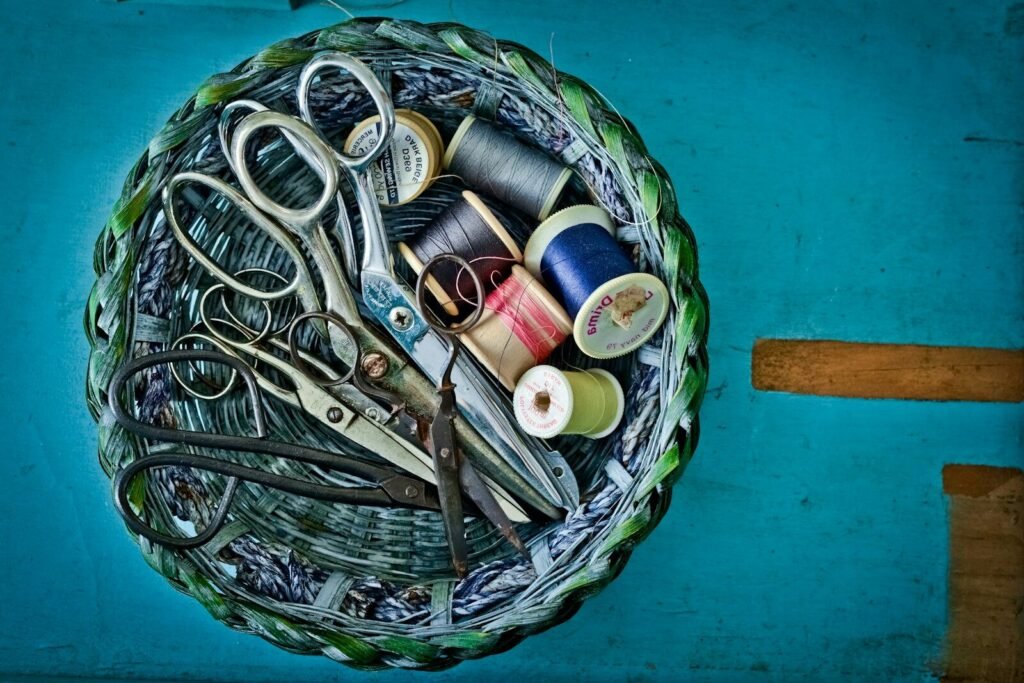
The best skill to start with is not the one you love most. It is the one people already ask you for. Think back over the last year: did someone ask you to fix a wobbly chair, hem curtains, or bake a birthday cake? Those requests are market research, and they cost you nothing.
Make a short list of everything you can do well, then cross off anything that needs expensive equipment or a licence you do not have. What is left is your starting point. Now pick one — just one. Customers do not hire “someone who does everything.”
Test the skill honestly before you charge for it. Make the thing three times for yourself or for family, and note what goes wrong: how long it really takes and what it costs in materials. If you grow vegetables, you already know the work — our blog posts on how to grow tomatoes at home and how to build a raised garden bed show how much practical knowledge goes into a good result.
One more test: would you pay someone else for this? If the answer is yes, and you can do it as well as the person you would pay, you have a business. If the answer is no, it is a hobby — and there is nothing wrong with that either.
Find Your First Three Customers
Your first three customers are the hardest to find and the most important to keep. They will teach you what people actually want and what they will pay — and if they are happy, they will tell other people.
Start with people you already know. Tell friends, family, and neighbours what you are doing, in one plain sentence: “I am building raised garden beds for people in the area — the first three are half price while I get started.” People say yes to a clear offer from someone they trust.
Ask each of the first three for two things: honest feedback and, if they are happy, a photo of the finished work and permission to share it. A real photo of a real garden bed in a real garden tells the next customer everything they need to know. A stock photo tells them nothing.
If you run out of people you know, go where your customers already are: a notice at the garden centre or library, a post in a local neighbourhood group with a photo of your work, or a stall at a small local market. A free Google business profile is worth setting up once you have three or four happy customers.
Price It Simply: Time Plus Materials
Pricing is where most home businesses quietly fail. They charge too little because they feel guilty asking for money, then discover they earned less than minimum wage for a full day’s work. The fix is a simple formula: time plus materials, plus a little extra.
Start with your time. Decide on an hourly rate and write it down — it needs to be honest, not impressive. A good starting point is the local rate for similar work: what does a handyman or a gardener charge per hour in your area? Your rate should be in the same range.
Now add materials at cost, and be specific. If a raised bed needs four boards, eight screws, and three bags of soil, write down the price of each one and add them up — do not guess. Then add a small margin, ten to fifteen percent, for driving to the store and wear on your tools.
Quote the full price before you start, in writing, even if it is just a text message. Never start a job without agreeing on the price first. The awkward conversation at the start saves a much more awkward one at the end.
Show Real Work, Not Stock Photos
People buy from people they can see. A photo of a cake you actually baked, a shelf you actually built, or a garden you actually planted is worth more than any description.
Take photos as you go, not just at the end. A photo of the work in progress — boards being cut, soil being filled — tells a story a finished photo alone cannot. Use natural daylight and take the photo from straight on. You do not need a professional camera.
Keep your photos honest. Do not use someone else’s photos, and do not use stock images and pretend they are yours. If a customer hires you based on a photo and the real work looks nothing like it, you have lost that customer and everyone they would have told.
One good way to show your work and reach new customers at the same time is to write about what you do. If you would like to write a guest post about your work, write a guest post about your work — Halgain accepts guest posts from people sharing practical knowledge, and a short article about your skill, with photos of your real work, can bring in customers who are already looking for exactly what you do.
Keep Records From Day One

Records feel like paperwork, but they are what turn a hobby that earns money into a business that survives. Start on day one — starting a year later means reconstructing a year of jobs from memory.
Keep a simple notebook or spreadsheet with five columns: date, customer, what you did, what you were paid, and materials cost. That is all you need to know whether you are making money or losing it.
Keep every receipt — materials, tools, fuel, packaging, market fees — in one folder, in date order. At tax time, those receipts are the difference between paying tax on your full income and paying tax on your actual profit. The rules vary by country, so read the official guidance: the U.S. Internal Revenue Service explains self-employment basics at irs.gov, and the Small Business Administration offers free planning guides at sba.gov.
Set aside a fixed part of every payment for tax — twenty to twenty-five percent is a safe starting point — and put it in a separate account the same day you are paid. Do not spend it or borrow from it. This one habit separates the home businesses that last from the ones that collapse in their first year.
Grow Slowly — and Keep Your Day Job
The most dangerous moment for a small home business is the moment it starts working. The phone rings, the orders come in, and the temptation is to quit the day job and buy better tools — all at once. Resist it. Grow at the speed of your customers.
A good rule: do not spend money the business has not earned yet. If the business earns enough to buy a better saw, buy the saw. If you need more hours, take on one more customer a week, not five.
Keep your day job until the business earns enough, consistently, to replace it — not for one good month, but for six. Six months of steady income is evidence. One good month is luck. Keep a cushion of three months of living expenses before you make the jump.
Mistakes to Avoid
- Offering everything at once. One skill, done well, beats five skills done badly. Add a second skill only when the first is steady.
- Charging too little to be liked. Low prices do not buy loyalty; they buy customers who leave the moment someone cheaper appears.
- Skipping the records. If you do not know what you earned and spent, you do not have a business — you have a hobby that costs money.
- Spending before earning. Buy tools and materials with money the business has already made, not money you hope it will make.
- Quitting your job too soon. Six months of steady income, plus a three-month cushion, before you make the jump.
Frequently Asked Questions
How do I turn a home skill into income without quitting my job?
Start with one skill and a few hours a week — evenings and weekends. Take on one or two customers, charge fairly, and keep records. Grow only when the work is steady for months, not weeks.
How much should I charge when I am just starting?
Charge your time plus materials, at a rate similar to what others charge locally. A small discount for your first three customers is reasonable while you build photos and reviews — but do not work for free, and do not stay cheap.
Do I need a business licence to sell what I make at home?
It depends on what you sell and where you live. Food, childcare, and some trades need licences or inspections; most craft, garden, and repair work does not, but local rules vary. Check your city or county website before you take your first paying customer.
How do I find customers without spending money on advertising?
Start with people you know, then go where your customers already are: local marketplace listings, neighbourhood groups, and a free Google business profile. Real photos of real work and a few honest reviews beat paid adverts in the early days.
Conclusion
You do not need a business plan, a logo, or a loan to turn a home skill into income. You need one skill people already ask about, three customers, a fair price, and a notebook. Do the work well, keep the records, and let the business grow at its own pace. Start small, start this week.