

A house can look perfect for twenty minutes and hide expensive problems for twenty years. Fresh paint, new carpet, and a staged living room are all designed to make you feel at home — and they work. That is why the smartest thing you can do before you buy is to check the parts of the house nobody staged.
This is not a replacement for a professional home inspection — you should still hire one. But an inspector visits once, for a few hours, on one day. You can visit more than once, at different times of day. The five checks below are the things to check before buying a house that catch the most trouble early. Walk through them in order, take photos, and write down what you see.
Table of Contents
- 1. Roof and Water: Where the Rain Goes
- 2. Plumbing and Water Pressure
- 3. The Electrical Panel and Outlets
- 4. Foundation, Cracks, and Doors That Stick
- 5. Light, Noise, and the Neighbourhood at Different Times
- What to Ask Before You Make an Offer
- When to Call a Professional
- Mistakes to Avoid
- Frequently Asked Questions
- Conclusion
1. Roof and Water: Where the Rain Goes
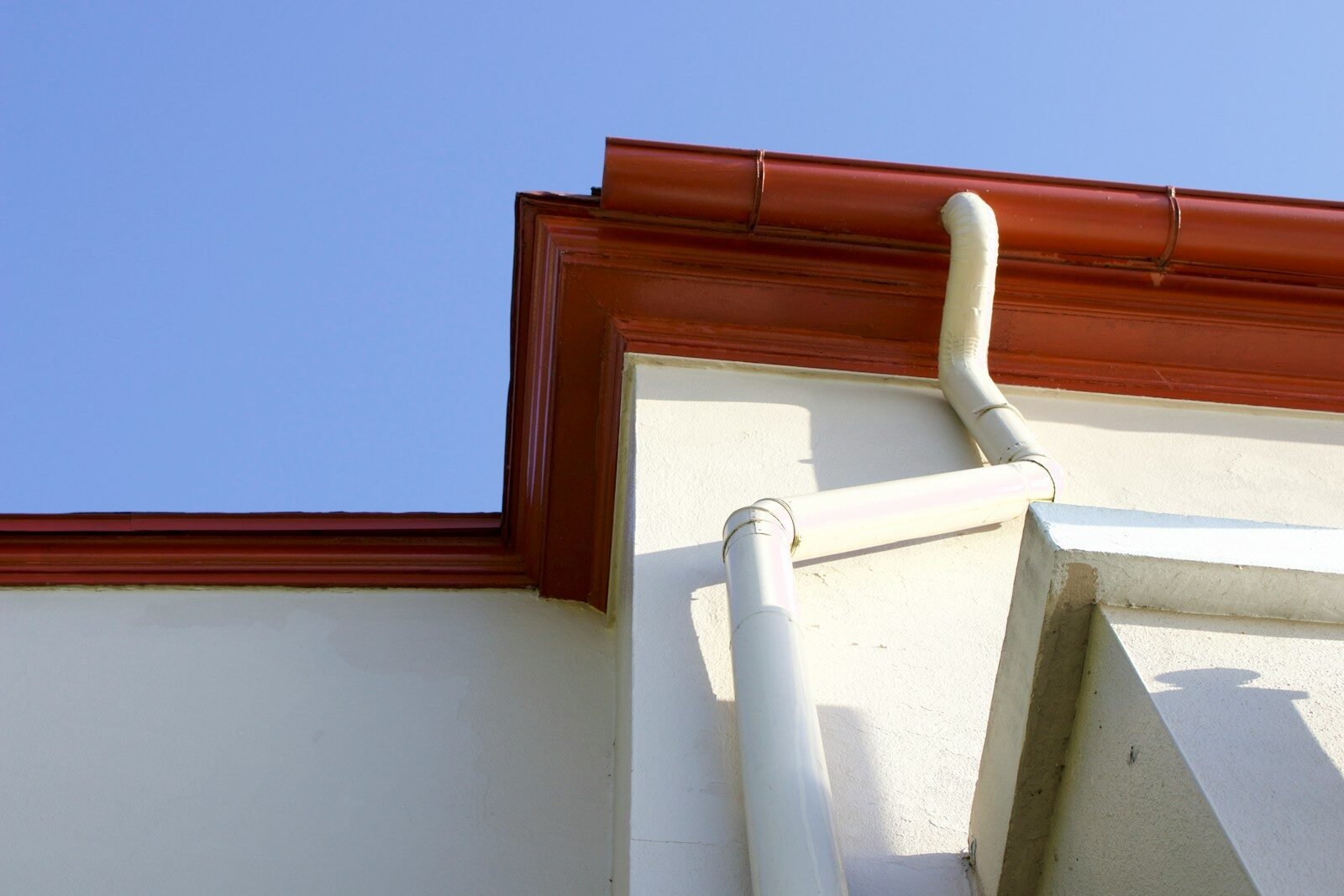
Water is the most expensive problem a house can have, and the roof is where most water problems start. You do not need to climb onto it — you can learn a lot from the ground and from inside the attic.
Start outside. Stand across the street and look at the roofline: it should be straight. A sagging section or a ridge that waves up and down means the structure underneath is moving or rotting. Look at the shingles or tiles — a few replaced ones are normal wear, but a whole slope of mismatched patches means the roof has been repaired in pieces, and the next repair is probably yours.
Now look at the gutters and downspouts: they should be attached firmly, and the downspouts should carry water at least four to six feet away from the foundation.
Inside, go into the attic if you can do so safely, and bring a torch. Look for dark stains on the underside of the roof — they mean water has come through, even if it is dry today — and for daylight coming through cracks or around vents. Then look at the ceilings in every room, especially under bathrooms and under the roof. Water stains are often painted over before a sale, so look for a patch that is slightly different in colour.
2. Plumbing and Water Pressure
Plumbing problems hide behind walls, so test the system the way you will use it: all at once. Turn on the kitchen tap, then the bathroom tap, then flush a toilet. If the water slows to a trickle when two things run together, the pipes are undersized, partly blocked, or corroded inside — a sign the plumbing is near the end of its life, and replacing pipes means opening walls.
Check the water pressure at every tap — it should be strong and steady. Look under every sink while the water runs, with a torch. A slow drip at a joint or a damp smell under the sink points to leaks.
Look at the water heater and read the age on the label — most last eight to twelve years. If it is older than that, budget for a replacement soon. Flush each toilet and watch how it fills: one that runs for minutes after flushing has a worn seal — cheap to fix, but a sign of deferred maintenance. And ask where the main water shut-off valve is. If the seller does not know, note it — the day a pipe bursts, you will want to find it in seconds.
3. The Electrical Panel and Outlets

The electrical panel is the heart of the house. Open the panel door — you do not need to touch anything inside. Are the breakers labelled? A panel where every breaker is neatly marked is a panel someone cared about. One with no labels at all suggests the wiring was changed by people who did not document their work.
Look for the panel’s age and type. A modern breaker panel with room for more circuits is good. An old fuse box is a red flag that will also worry your insurer. If you see scorch marks, rust, or a burning smell near the panel, note it for the inspector.
Test the outlets. Bring a phone charger and try it in outlets in every room. Dead outlets are common and usually cheap to fix, but a whole room of dead outlets points to a wiring problem. Outlets near water — kitchens and bathrooms — should have GFCI outlets, the kind with the small Test and Reset buttons. Press the Test button; it should click and cut the power. If it does nothing, the protection is not working. Count the outlets too: old houses often have two per room, which means extension cords everywhere.
4. Foundation, Cracks, and Doors That Stick
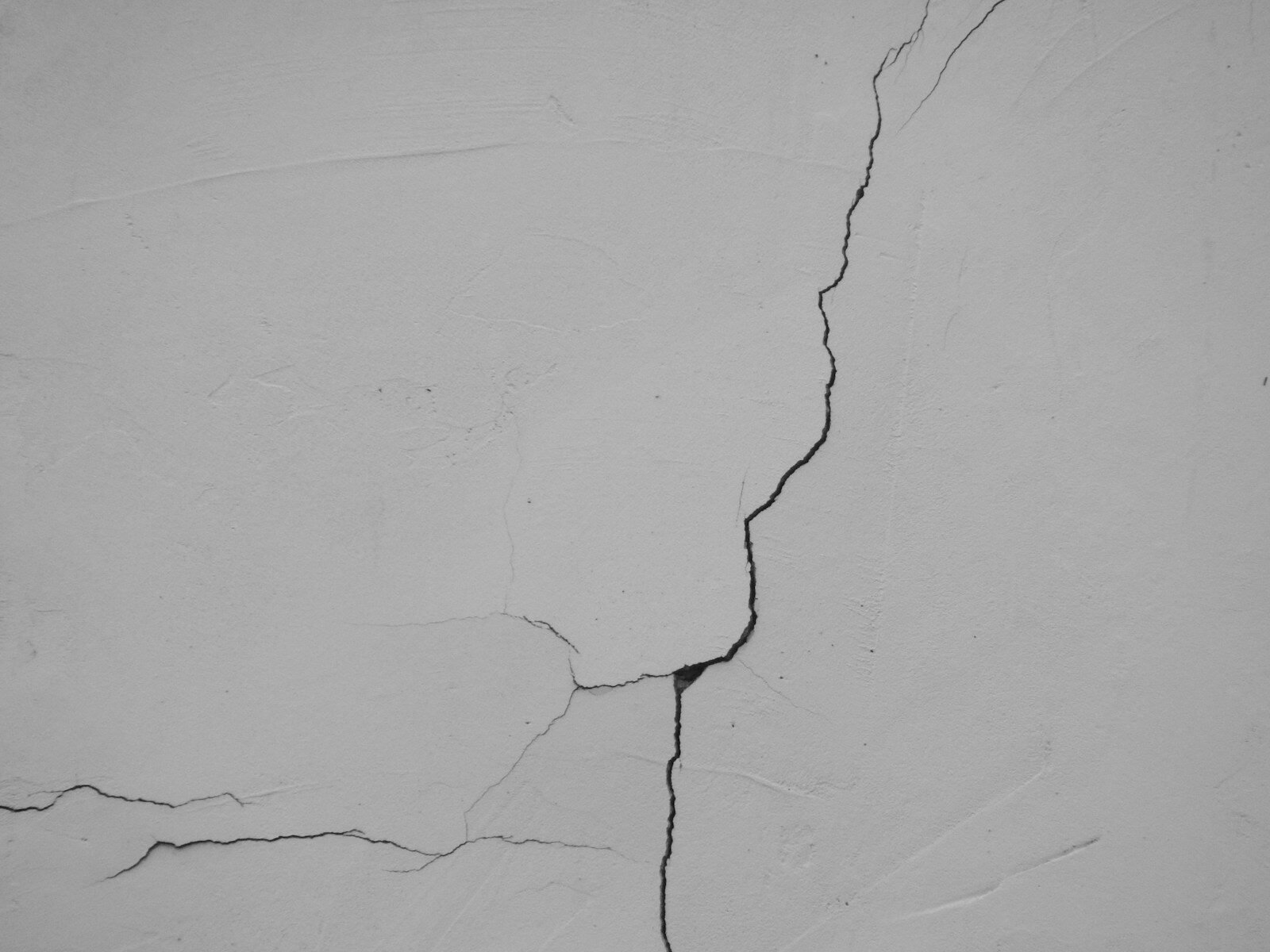
The foundation holds everything up, so small signs here matter more than they look. Walk the full perimeter outside and look for cracks in the foundation wall. Hairline cracks — thinner than a credit card — are common and usually harmless. Cracks wider than a quarter inch, or cracks that run in a staircase pattern through brickwork, suggest the foundation is moving, and that needs a structural engineer, not a handyman.
Look for the same story inside. Doors that stick, or that swing open on their own, are telling you the frame has shifted. A floor that slopes noticeably — put a small ball on it and watch which way it rolls — means the structure underneath has settled unevenly.
Check the basement or crawl space if there is one. Look for white, powdery deposits on the walls — mineral salts left behind when water seeps through concrete. Press any wood that looks dark: soft wood is rotting wood. Ask the seller about any recent repairs and why they were done. A straight answer with receipts is reassuring. A vague answer is not.
5. Light, Noise, and the Neighbourhood at Different Times
A house is not just walls and pipes — it is also light, sound, and the street outside. Visit twice: once during the day and once in the evening.
Light changes everything about how a home feels. Which rooms get morning sun, and which get none at all? A kitchen that is dark at breakfast will feel dark every morning. Stand in each room and look at the windows: are they large enough, and are they blocked by a neighbour’s wall? Our blog post on how to make your home beautiful covers what to do with a dark room after you move in.
Noise is the same. Sit quietly in the living room for five minutes. Can you hear traffic, a nearby school, or a barking dog? Visit in the evening, when people come home and the street fills up. Is there parking? Is the street lit? Check the practical things too — the nearest shop, school, doctor, and bus stop, and the real drive to work, not the distance on the map.
What to Ask Before You Make an Offer
Questions are free, and the answers are often worth more than the inspection. Ask the seller or agent: how old is the roof, and has it ever leaked? How old are the water heater, the furnace, and the air conditioner? Have there been any insurance claims for water damage? Has the house had flooding, mould, or pest treatment?
Ask about running costs as well: average monthly bills, property taxes, and any homeowners’ association fees. For official guidance, the U.S. Department of Housing and Urban Development publishes home-buying help at HUD.gov, and the Consumer Financial Protection Bureau offers tools for buyers at consumerfinance.gov.
When to Call a Professional
Some findings mean you should bring in a specialist before you make an offer, not after: a structural engineer for foundation cracks wider than a quarter inch or a sloping floor, a roofer for a sagging roofline, a plumber for a sewer line that backs up, and an electrician for a fuse box or scorch marks.
These visits cost a few hundred dollars each. Compare it with the alternative: a new roof, a foundation repair, or a full rewire discovered after you have moved in.
Mistakes to Avoid
- Falling in love with the staging. Fresh paint and new furniture hide problems on purpose. Look past them.
- Visiting only once, at midday. Light, noise, and parking all change by evening. Visit at least twice.
- Skipping the attic and basement. The most expensive problems live where nobody looks.
- Trusting a seller’s word over your own eyes. Ask questions, but verify the answers with the inspector and the documents.
- Waiving the inspection to win a bidding war. It can work out, but if it does not, you own every problem the inspection would have found.
Frequently Asked Questions
What are the most important things to check before buying a house?
The roof and water, the plumbing, the electrical panel, the foundation, and the light and noise around the house — those are the things to check before buying a house. Water damage and foundation movement are the most expensive to fix, so check those first.
Should I still hire a home inspector if I do these checks myself?
Yes. Your checks help you decide whether to make an offer and what to ask about. A licensed inspector spends hours testing systems you cannot see, and their written report is what you use to negotiate repairs or a lower price.
How do I check for water damage in a house?
Look for stains on ceilings and walls, soft or spongy plaster, musty smells, and white powdery deposits on basement walls. Check under every sink, around toilets and water heaters, and in the attic.
What does a sticking door actually mean?
A door that sticks can mean the frame has shifted because the foundation moved, the house settled, or humidity swelled the wood. One sticking door in an old house is often just humidity. Several sticking doors and windows, plus sloping floors or wide cracks, together point to structural movement.
Conclusion
Buying a house is the biggest purchase most people ever make, and the best protection is not money — it is attention. Walk the roofline, run the taps together, open the electrical panel, check the foundation, and visit at night. Write down what you find and ask direct questions. If you do buy, the small upgrades in our bathroom upgrades blog post are a good place to start.